


01 Jul Universities Encouraged to Align Engineering Programmes with Washington Accord requirements
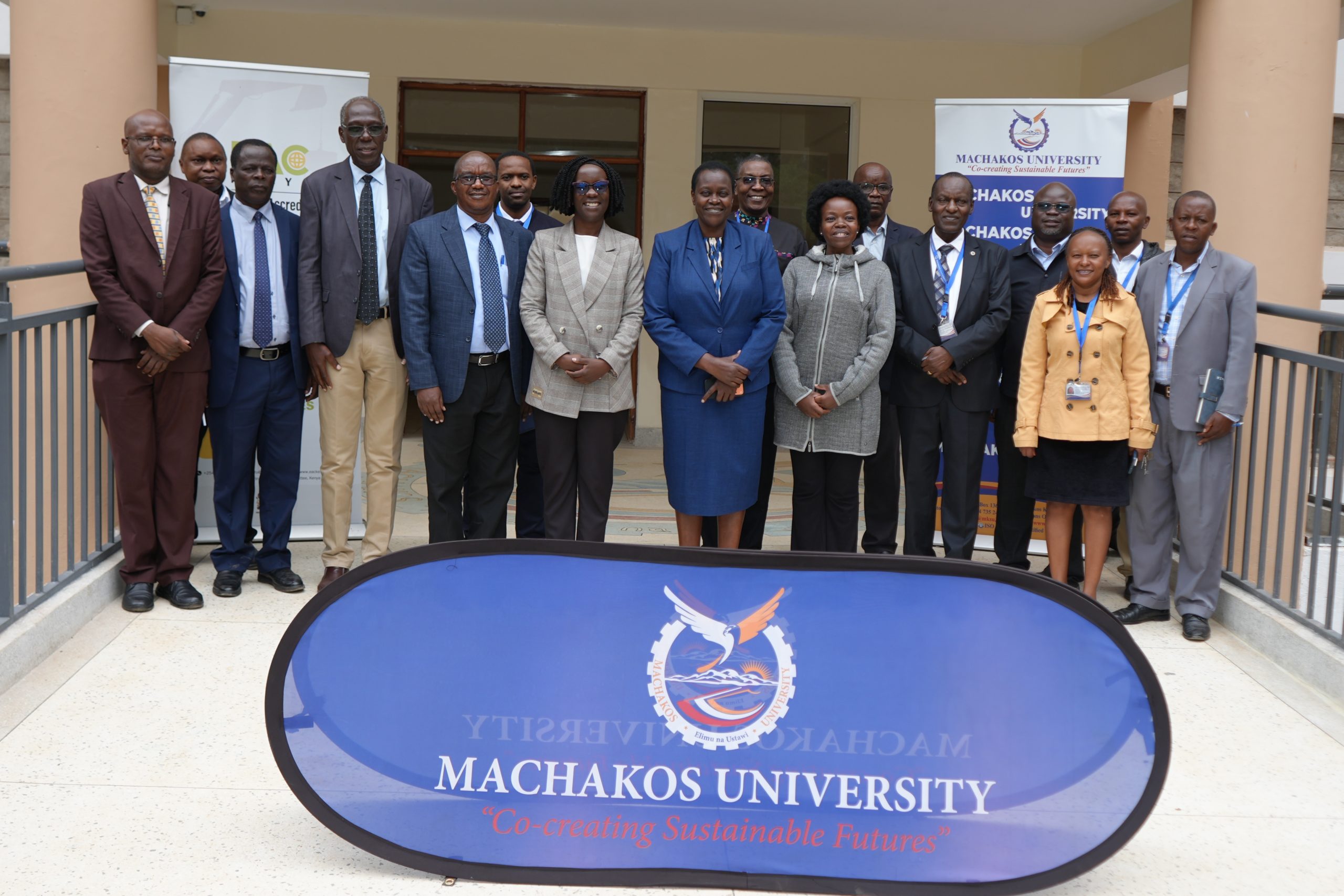
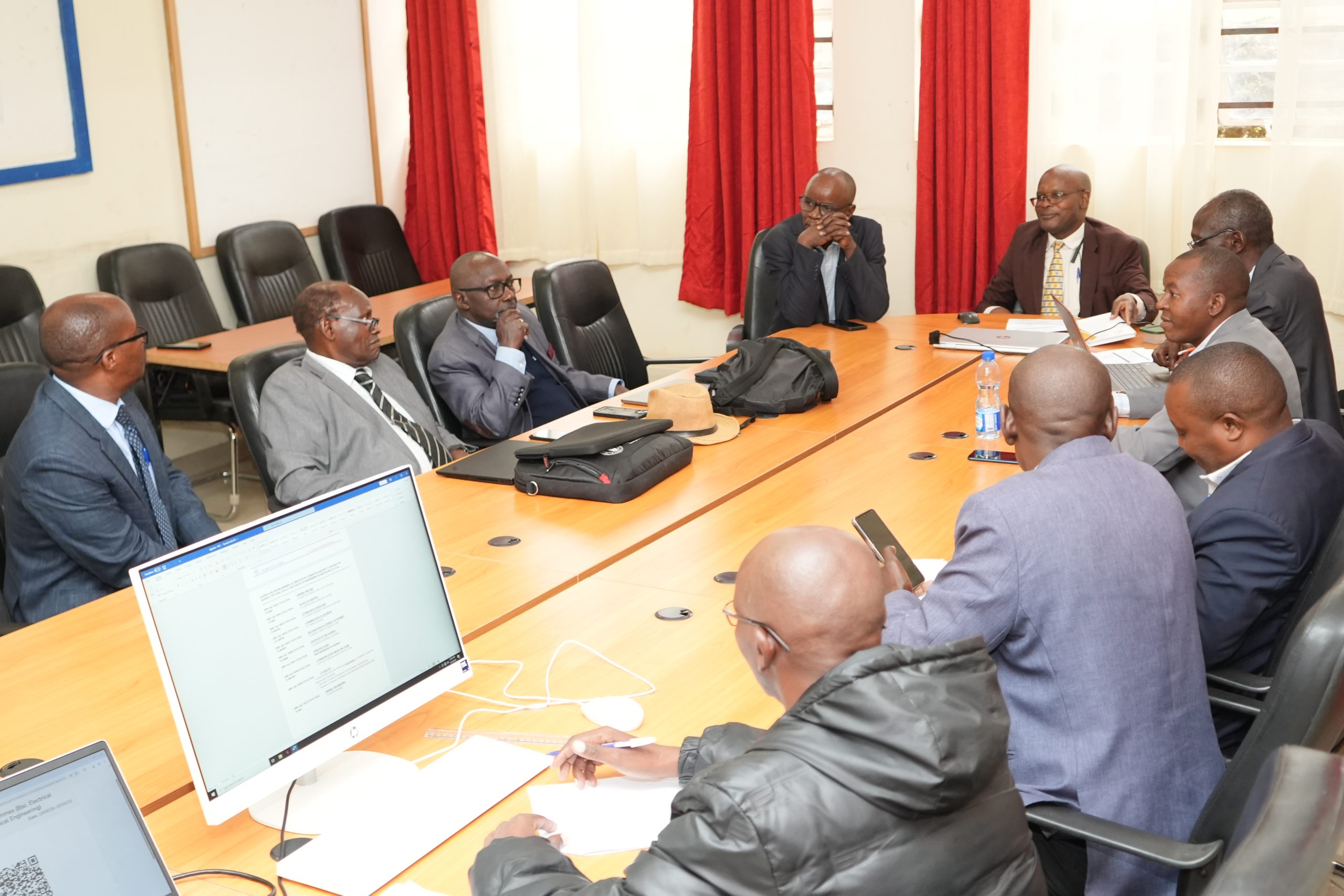
July 1, 2026 – The Engineers Board of Kenya (EBK), through its Engineering Accreditation Committee (EAC), continues to strengthen the quality of engineering education by evaluating universities against international accreditation standards.
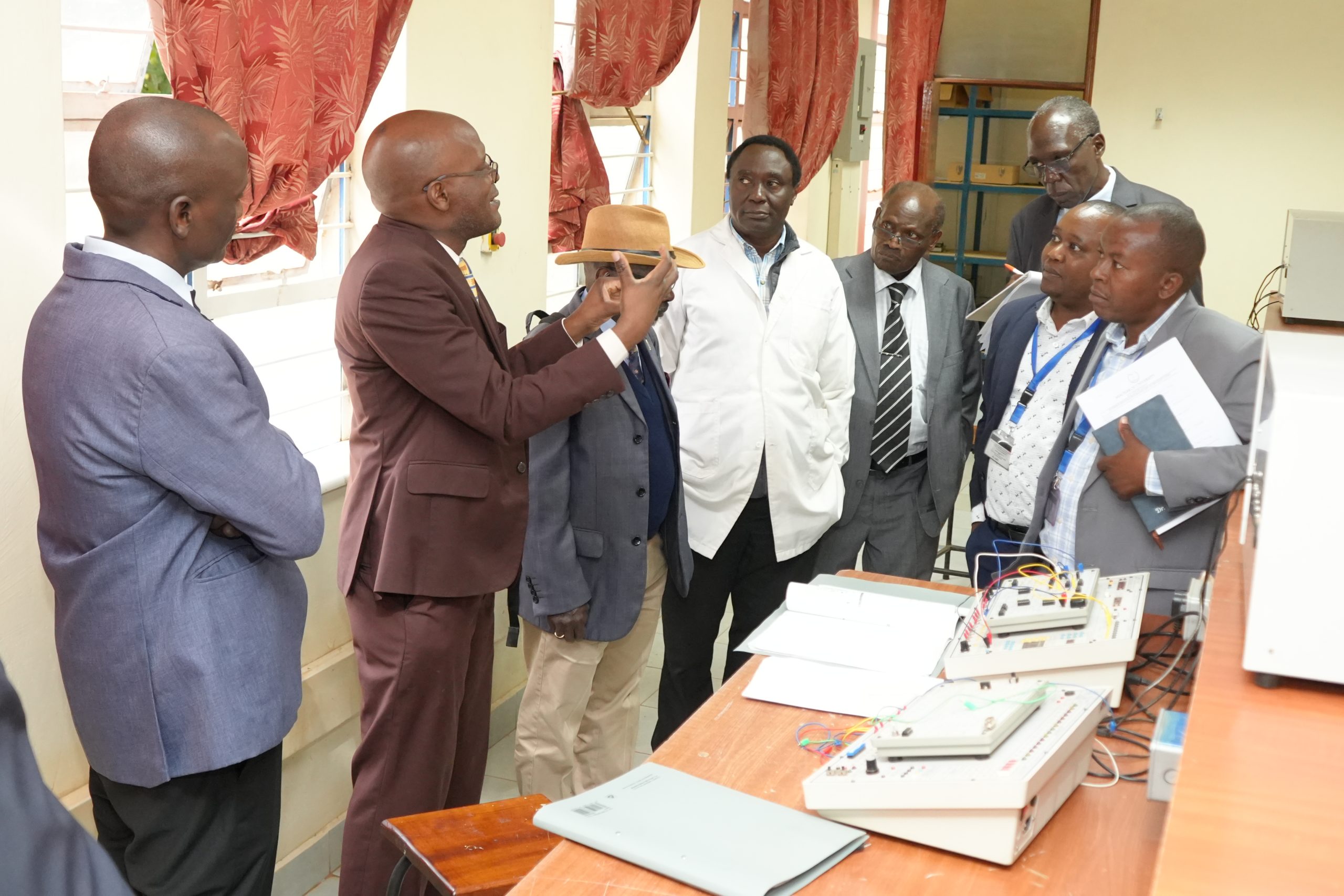
The Committee recently conducted a two-day accreditation exercise at Machakos University, where it evaluated the Bachelor of Science in Electrical and Electronics Engineering and the Bachelor of Science in Mechanical amd Manufacturing Engineering programmes under Tier I evaluation. The Tier I framework aligns with internationally recognised accreditation requirements and is informed by the Washington Accord framework.
The accreditation exercise forms part of EBK’s ongoing efforts to ensure engineering programmes produce graduates equipped with the competencies, knowledge and professional attributes required to thrive in an increasingly competitive global engineering profession.
The assessment team, led by EBK Ag. Registrar/Chief Executive Officer, Eng. Grace Onyango, paid a courtesy call on the Vice-Chancellor, Prof. Joyce J. Agalo, before commencing the evaluation. She was accompanied by the Acting Deputy Vice-Chancellor (Academic and Student Affairs), Prof. James Muola, together with members of the University management.
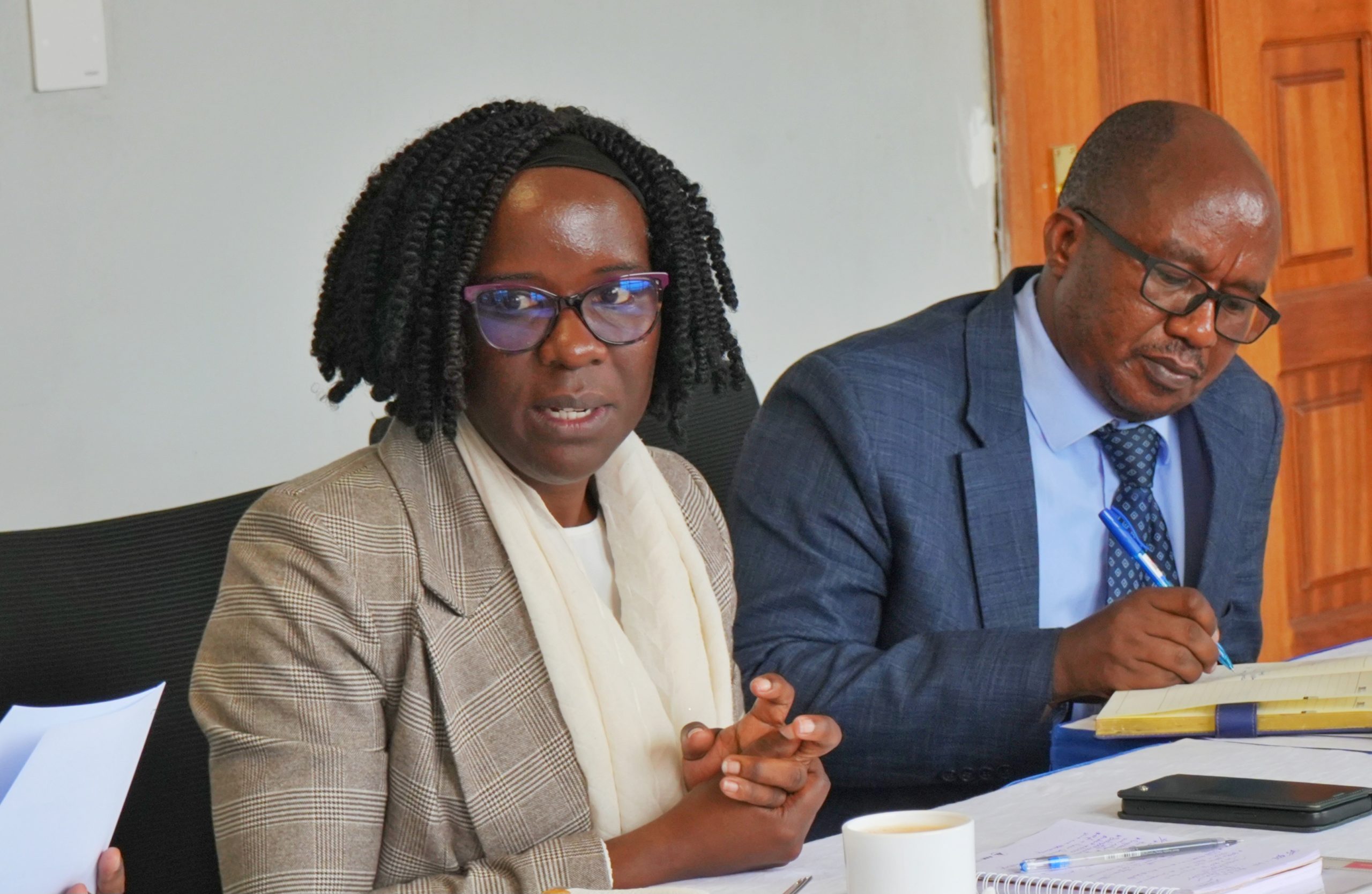
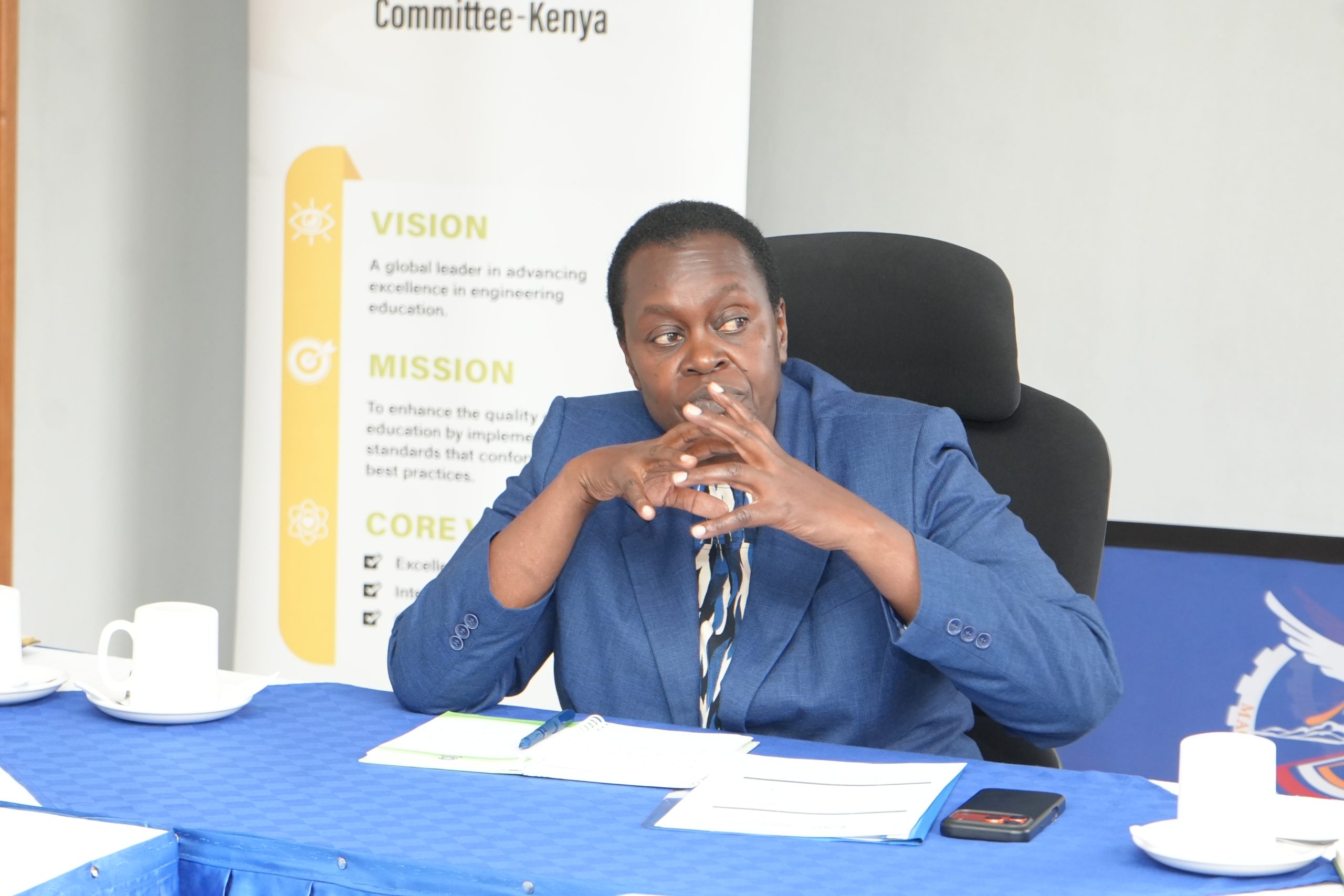
Speaking during the visit, Ag. Registrar/CEO, Eng. Grace Onyango observed that the accreditation exercise is part of Kenya’s broader journey towards attaining Full Signatory Status to the Washington Accord by 2029, following the country’s admission as a Provisional Signatory in June 2025. She noted that strengthening engineering education through outcome-based accreditation is critical to ensuring Kenyan engineering graduates remain globally competitive while supporting national development priorities.
Prof. Agalo reaffirmed the University’s commitment to continuously improving the quality of its engineering programmes. She acknowledged the importance of aligning engineering education with Washington Accord standards, noting that international accreditation would broaden opportunities for graduates both locally and globally.
During the exercise, the accreditation team engaged University management, academic and technical staff, students, alumni, employers and other stakeholders to verify compliance with established accreditation criteria. The evaluation focused on programme design, teaching and learning processes, assessment methods, infrastructure, staffing, quality assurance systems and graduate outcomes.
The accreditation exercise underscores EBK’s commitment to strengthening engineering education, promoting continuous improvement among institutions of higher learning, and supporting Kenya’s progress towards internationally recognised engineering education standards.
No Comments