


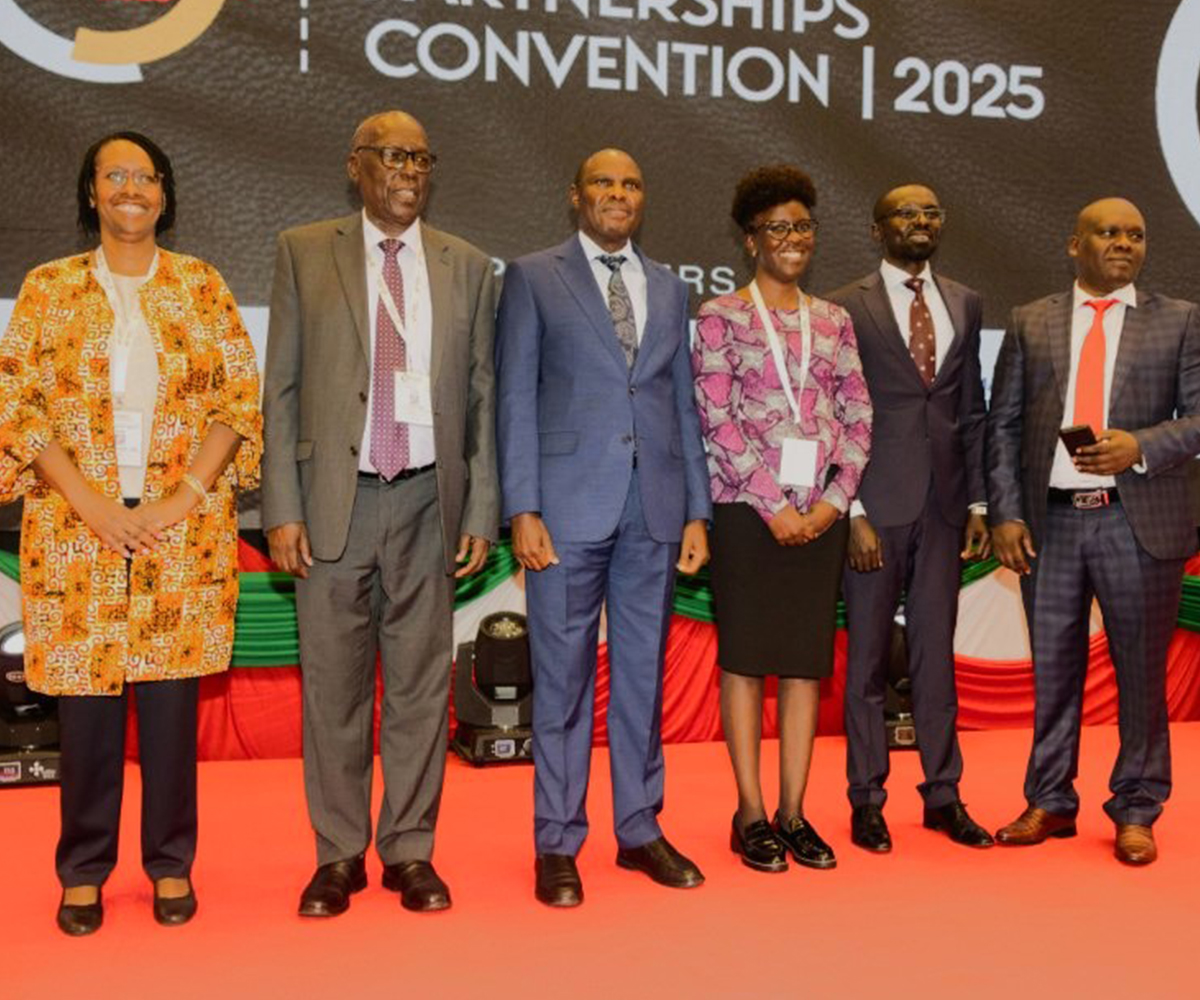
28 Oct EBK Hosts 6th Engineering Partnerships Convention (EPC)
The 6th Engineering Partnerships Convention (EPC 2025), hosted by the Engineers Board of Kenya (EBK), brought together a cross-section of the engineering ecosystem to chart the future of the profession in an increasingly digital, interconnected world. Held under the theme “Engineering a Digital World,” the convention emphasized the urgent need to align engineering practice with emerging technologies, sustainability goals, and national development priorities.
One of the core themes running through the convention was the integration of digital tools and systems into engineering processes. Participants explored how artificial intelligence, machine learning, predictive technologies, and digital twins are reshaping design, maintenance, and operations across infrastructure, manufacturing, and service delivery. These technologies, however, were not presented as replacements for traditional engineering, but rather as powerful enablers — tools that must be grounded in sound engineering principles and ethical governance.
The conversation around smart infrastructure and cities underscored the need for more than just connectivity and automation. A smart city, it was agreed, must be people-centered, responsive, and rooted in cultural and environmental context. Speakers advocated for multidisciplinary collaboration in urban planning — bringing together engineers, architects, technologists, and sociologists to ensure infrastructure improves quality of life and remains adaptable to changing societal needs. Issues of data privacy, local innovation, and digital inclusion featured prominently, with a strong call to shift from foreign technology dependency to homegrown, African-centric solutions.
Industrialization and trade emerged as another major focus. Discussions revealed that despite the abundance of skilled engineers, Africa’s manufacturing sector continues to lag due to policy inconsistency, limited production capacity, and fragmented standards. There was a shared belief that engineers must move beyond compliance to become active contributors in setting standards, innovating products, and leading the development of resilient, value-adding industries. The convention reinforced the importance of linking academia and industry to ensure graduates are job-ready and innovation is nurtured within the local ecosystem.
Regulatory reform and service delivery were also key points of discussion. Stakeholders emphasized the need for integration and efficiency across the built environment. The Board announced plans to digitize its licensing and registration processes and expand its footprint through Huduma Centres to improve accessibility across the country. These steps aim to reduce fragmentation and ensure faster, more transparent services for engineers and clients alike.
Underlying all these discussions was a shared urgency to elevate Kenya’s engineering practice to a global standard. The Convention culminated in a strong set of resolutions, including a government commitment to support Kenya’s bid for acceding to the Washington Accord — a move that would recognize Kenyan engineering qualifications internationally.
Other resolutions included enhanced collaboration among East African nations through a digital platform for engineer mobility, promotion of smart cities, enforcement of local content requirements in infrastructure projects, and mandatory safety components in engineering design and budgeting.
No Comments